
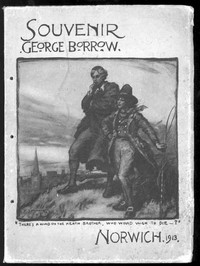
Souvenir of the George Borrow Celebration by James Hooper
Let's set the scene. It's 1913, and a group gathers in London to celebrate the 110th birthday of George Borrow. If you're thinking, 'Who?'—that's exactly the point. Borrow was a Victorian travel writer and linguist, famous in his day for books like 'Lavengro' and his life with Romani people. By 1913, his star had dimmed considerably. This book by James Hooper is the official record of that celebration. It's not a biography or a novel; it's a transcript of an event, complete with speeches, menus, and lists of attendees.
The Story
There isn't a plot in the traditional sense. Instead, Hooper lays out the entire evening for us. We get the full text of speeches from Borrow's admirers, who try to convince the room (and perhaps themselves) of his lasting importance. We see what was served for dinner. We read the toasts. Through all this formal, slightly dusty ceremony, a story does emerge—the story of a fan club keeping a flame alive. The central 'action' is the act of remembrance itself. The conflict is quiet but persistent: can you revive interest in a writer by simply declaring him great at a banquet?
Why You Should Read It
This book charmed me because of its specific, odd sincerity. It’s a literary time capsule. You’re not just learning about George Borrow; you're sitting in a room with Edwardian gentlemen, feeling their earnest effort to cement a legacy. The speeches reveal what that generation valued in literature—adventure, character, a touch of the exotic. Reading it feels like eavesdropping on a private club meeting. It’s also unintentionally funny at times, in a very British way. The earnestness of it all, the detailed reporting on a minor event, creates a unique atmosphere. It’s a book about fandom and memory, long before those ideas were popular topics.
Final Verdict
This is a niche read, but a rewarding one. It's perfect for history buffs who enjoy social snapshots, or for literary fans curious about how reputations are made and maintained. If you love primary sources that let you read between the lines, you'll find a lot here. It's not a page-turning thriller, but a slow, thoughtful look at a forgotten corner of literary history. Think of it as a quiet evening in a museum, not a rollercoaster ride. You come away with a vivid, peculiar feeling for a past world and its obsessions.
No rights are reserved for this publication. Preserving history for future generations.
Joseph Gonzalez
1 year agoHaving read the author's previous works, the formatting on mobile devices is surprisingly crisp and clear. This has become my go-to guide for this specific topic.
William Harris
4 months agoI was skeptical about the depth of this book at first, but it addresses the common misconceptions in a very professional manner. I'm genuinely impressed by the quality of this digital edition.
Lisa Sanchez
1 year agoFive stars!
Kevin Nguyen
1 year agoRecommended.







Patricia Harris
1 year agoMy first impression was quite positive because the way the author breaks down the core concepts is remarkably clear. I'll be recommending this to my students and colleagues alike.