
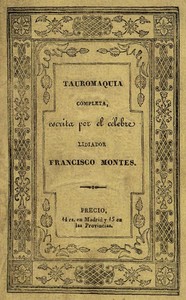
Tauromaquia completa, ó sea, El arte de torear en plaza by Francisco Montes
Published in 1836, Tauromaquia completa isn't a novel. Think of it as the ultimate how-to guide, but for one of the world's most dangerous and controversial performances. Its author, Francisco Montes, wasn't just a writer—he was the most famous matador of his era, the man who helped shape modern bullfighting into the structured spectacle we recognize today.
The Story
There's no traditional plot. Instead, the book is a detailed technical manual. Montes lays out everything a torero needs to know. He starts with the different types of bulls and the roles of everyone on the team, from the picadors on horseback to the banderilleros who plant the colorful darts. The real meat of the book is his step-by-step explanation of the faena—the final act with the muleta (the small red cape). He describes precise foot placements, how to hold the cape, and the series of passes designed to control and tire the bull. He writes about the moment of truth, the kill, with a chilling, matter-of-fact clarity. It's a blueprint for a performance where a single mistake can be fatal.
Why You Should Read It
You read this for the voice. Montes writes with the absolute authority of a master practitioner. There's no apology, no romanticizing. It's pure, concentrated expertise. Reading his instructions, you feel the weight of tradition and the intense pressure of the plaza. It forces you to see bullfighting not just as a sport or a controversy, but as a codified art form with its own brutal logic. Even if you find the practice abhorrent, understanding its internal rules and aesthetics from its greatest early proponent is fascinating. It’s a primary source that drops you right into 19th-century Spanish culture.
Final Verdict
This is a niche read, but a powerful one. It's perfect for history buffs, students of Spanish culture, or anyone interested in the philosophy of performance and risk. It’s not for the squeamish, as the descriptions are graphic and unemotional. But if you want to go beyond the clichés and understand why bullfighting has been called 'art' by its proponents, this is the essential text. You're not getting a critic's analysis; you're getting the doctrine straight from the founding father.
The copyright for this book has expired, making it public property. Preserving history for future generations.






Joseph Martin
8 months agoI've been looking for a reliable source on this topic, and the bibliography and references suggest a high level of research and authority. Simple, effective, and authoritative – what else could you ask for?