About 28 minutes
Kitchen Tested Recipes from Canned Foods — Key Ideas to Explore
Recipes
6,218 recorded words. 1 minutes difference from this book's estimate.
View Gutenberg source #62230
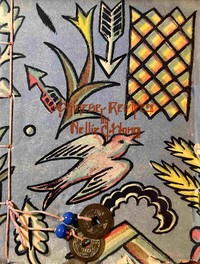
Chinese recipes — Story, Setting & Ideas can be approached with a clearer sense of reading commitment from its source measurements: 6,036 words, 27 min estimated reading time, and 31 detected text sections.
The text analysis averages about 19.5 words per sentence, while the detected sections provide another way to judge how the source is divided.
Project Gutenberg metadata also associates the work with “Cookbooks,” connecting these edition facts with the source record’s subject description.
Explore this collection
These alternatives are selected using recorded categories and estimated reading time.
About 28 minutes
Recipes
6,218 recorded words. 1 minutes difference from this book's estimate.
View Gutenberg source #62230About 23 minutes
Recipes
5,221 recorded words. 4 minutes difference from this book's estimate.
View Gutenberg source #45838About 33 minutes
Recipes
7,539 recorded words. 6 minutes difference from this book's estimate.
View Gutenberg source #67651Search stored excerpts and compare books → Choose by your preferences →
Choices use stored catalog measurements. Estimates vary with reading speed. A shared category is a catalog label, not a claim that two books have the same argument or literary quality.
Search reads excerpt text stored with this catalog and links to its associated Gutenberg record. The connection is stored in the site database; this tool does not recheck that every excerpt is word-for-word identical to that external record. Excerpt search does not cover every chapter and does not verify historical publication dates.
Catalog snapshot checked: 2026-09-26. Coverage: 91 public books, 91 available source excerpts.
Calculated from edition completeness, EPUB availability, text structure and catalogue metadata. Not a user rating.
Total of 100 points, scaled to a 2.5-5.0 range. Editions with an empty description or a missing EPUB file are not scored.
Public-domain source text
The source text is kept in the dedicated reader, separate from this catalogue record and its commentary.
Nellie C. Wong's Chinese Recipes opens with a practical note: soy bean sauce and ginger are universal seasonings in China, and mushrooms, water chestnuts, and bamboo shoots are the distinctive vegetables. The book was published in 1927 by the American Rehabilitation Committee and sold from Wong's New York City store at 1226 Amsterdam Avenue. The recipes are calibrated for six portions, and the author specifies that peanut oil or lard is traditional, but Crisco, Mazola, or Wesson Oil may be substituted. A list of Chinese grocery suppliers in Manhattan—including Quong Yuen Shing and Company on Mott Street—makes the dishes accessible to home cooks far from Peking.
The first recipe, for tea, is deceptively simple: one teaspoon of leaves, six cups of boiling water, a scalded crockery pot, and a steep of three to five minutes. The instruction to scald the pot while warm shows attention to technique. Egg-Flowers Soup follows, where finely chopped water chestnuts are added to boiling chicken broth, then beaten eggs are stirred in slowly until they form small flowers. The verb forms is precise—the egg should not scramble but bloom. Both recipes emphasize timing and gentle heat, setting a tone of careful control.
The rice recipe is a masterclass in restraint: wash the rice, add water one inch above the surface, bring to a boil, then simmer without opening the lid until dry. The goal is that every grain stands by itself. A separate recipe for Left Over Rice shows thrift—chopped leftover ingredients are fried with mushrooms, bamboo shoots, and water chestnuts, then layered with noodles, chicken, ham, and a sliced egg topping. The dish is assembled in layers, not tossed, suggesting a composed presentation even for leftovers.
Precious Pudding is the most elaborate recipe, combining rice and barley with eight fruits and nuts: candied lotus seeds, almonds, raisins, fresh peanuts, candied cherries, and citron. The cook must arrange these in a pretty design at the bottom of a bowl before steaming. The result is inverted so the design appears on top, served with a lemon-sugar sauce. The recipe demands patience—steaming for at least an hour—and a visual aesthetic that matches the name. Sweet Potato Balls, by contrast, are simpler: a coconut-almond filling wrapped in sweet potato and rice flour paste, fried until golden.
Wong's book bridges two culinary worlds. She specifies Chinese ingredients like soy bean sauce and bamboo shoots but also lists American substitutes: Crisco for lard, any shortening for vegetable oil. The suppliers are all in New York City, suggesting her audience was urban and likely non-Chinese. Yet the recipes retain Chinese techniques—the slow simmer for rice, the flower-forming egg in soup, the layered assembly of chow mein. The book does not explain these methods; it assumes the cook will follow them exactly. The result is a document of cultural translation, where a Peking tea shop owner teaches American readers to make her dishes with local tools.
Reading these recipes sequentially reveals a cookbook that is both practical and personal. Wong's voice is direct, her instructions spare but precise. The book does not claim to represent all of Chinese cuisine—it offers dishes from one tea shop in Peking, adapted for one American city. For a first reading, pay attention to the verbs: scald, simmer, arrange, drain. They carry the technique. The ingredients lists are short; the method is everything.
Flipping through Nellie Wong’s careful adaptations feels like watching someone translate a home into a stranger’s kitchen. It reminded me of my grandmother’s stained index cards, her penciled swaps for unavailable ingredients. Then I thought of Selections from Aunt Sammy's Radio Recipes and USDA Favorites — Story, Setting & Ideas, that cheerful, pragmatic voice offering the same patient bridge—each recipe a quiet handhold across distance and time.
Use these questions to collect your thoughts before moving on.